
Latest News
Keep on top with latest and exclusive updates from our blog on the Maryland real estate world. Next Step Realty posts about tips and trends for buyers, sellers, and investors every week. Whether it be about staging your property or a snapshot of the market, this is your one stop shop.

Top Outdoor Activities Near Ellicott City and Davidsonville That Boost Neighborhood Appeal Access to outdoor recreation is one of the most powerful drivers of neighborhood desirability. In Central Maryland, communities like Ellicott City and Davidsonville offer a lifestyle that blends scenic beauty, open space, and convenience. For buyers evaluating long term value, proximity to trails, parks, and waterfront activities often plays a major role in decision making. Next Step Realty helps clients understand how lifestyle amenities directly influence property appeal. Patapsco Valley State Park Near Ellicott City One of the region’s most beloved outdoor destinations, Patapsco Valley State Park offers miles of hiking and biking trails, river access, and scenic overlooks. Residents of Ellicott City enjoy quick access to outdoor adventure without leaving the county. Mountain biking and hiking trails Fishing and river recreation Picnic areas and family friendly spaces Scenic viewpoints and historic landmarks Access to protected green space enhances quality of life and supports long term home demand in surrounding neighborhoods. Historic Main Street and River Walks Ellicott City’s historic district combines outdoor charm with local culture. Brick sidewalks, riverside views, and boutique shops create a walkable environment that attracts both residents and visitors. Buyers often prioritize communities that offer character and outdoor engagement in one location. Davidsonville’s Open Land and Equestrian Appeal Davidsonville is known for its spacious properties, rolling farmland, and rural elegance. Outdoor living here centers around privacy, acreage, and recreational space. Private trails and large lot living Equestrian properties and riding access Farmers markets and seasonal events Scenic drives and countryside views For buyers seeking space and tranquility while remaining within reach of Annapolis and surrounding areas like Annapolis, Davidsonville offers a compelling alternative to more densely developed communities. Water Access and Chesapeake Bay Proximity Both Ellicott City and Davidsonville benefit from relative proximity to the Chesapeake Bay region. Boating, kayaking, and waterfront dining are part of the broader lifestyle that enhances regional appeal. For more information about Chesapeake Bay recreation and preservation efforts, the Chesapeake Bay Program provides valuable public resources at chesapeakebay.net. Trails and Community Parks Local parks and community trails play an important role in neighborhood livability. Families, professionals, and retirees alike value access to safe walking paths, playgrounds, and green space. Community sports fields and recreation centers Walking and biking trails Nature preserves and wooded areas Outdoor events and seasonal festivals Why Outdoor Access Supports Property Value Neighborhoods with strong outdoor amenities often experience consistent buyer demand. Access to parks, trails, and natural beauty enhances daily life while contributing to long term appreciation potential. Buyers increasingly prioritize lifestyle when choosing where to live. Is Outdoor Lifestyle a Priority for You Do you value proximity to hiking and nature trails Are large lots and open space important to your lifestyle Do you want walkable charm combined with outdoor recreation Is access to water activities part of your vision From scenic trails in Ellicott City to expansive properties in Davidsonville, outdoor amenities remain a major factor in neighborhood appeal. Next Step Realty provides local expertise to help you evaluate how community features align with your goals and long term investment strategy.
Read more
Guide to Buying Your First Home in Baltimore with Confidence Buying your first home in Baltimore is an exciting milestone. From vibrant city neighborhoods to established residential communities, the area offers diverse opportunities for first time buyers. The key to success is preparation, market knowledge, and the right guidance. Next Step Realty helps buyers navigate Baltimore’s competitive market with clarity and confidence so your first purchase becomes a strong foundation for the future. Understand Baltimore’s Neighborhood Variety Baltimore is a city of distinct communities, each offering a unique lifestyle. Whether you are drawn to waterfront living, historic row homes, or quieter suburban settings, knowing where to focus your search is essential. Buyers often explore areas like Baltimore City for urban energy and convenience, Canton for waterfront charm and walkability, or Federal Hill for skyline views and vibrant nightlife. Get Pre Approved Before You Shop One of the most important first steps is securing mortgage pre approval. This shows sellers you are serious and financially prepared. In competitive neighborhoods, homes can move quickly, and pre approval strengthens your offer position. Review your credit score and debt to income ratio Understand your comfortable monthly payment range Factor in property taxes and homeowners association fees Budget for closing costs and inspections For additional information about mortgage basics and loan options, the Consumer Financial Protection Bureau provides helpful educational resources at consumerfinance.gov. Know What You Can Compromise On First time buyers often start with a wish list. While it is important to identify priorities, flexibility can open doors to better opportunities. Decide which features are essential and which can be upgraded over time. Location versus square footage Updated finishes versus future renovation potential Parking availability in city neighborhoods Proximity to work and public transportation Do Not Skip the Home Inspection Baltimore’s housing stock includes historic properties with character and charm. While these homes can be beautiful, they may require additional attention. A thorough inspection helps you understand structural integrity, roof condition, electrical systems, and plumbing before closing. Understand Ongoing Ownership Costs Owning a home comes with responsibilities beyond the mortgage payment. Utility costs, maintenance, property taxes, and potential association fees should all be part of your long term budget. Planning ahead ensures homeownership remains rewarding rather than stressful. Think Long Term About Value Your first home may not be your forever home, but it should support your financial goals. Consider appreciation trends, neighborhood development plans, and resale potential. Areas with strong community amenities and continued investment often provide greater stability. Work with Local Experts Buying in Baltimore requires neighborhood knowledge and strategic negotiation. From crafting competitive offers to navigating inspections and closing timelines, experienced guidance makes a measurable difference. Understand market trends in your chosen neighborhood Structure offers that stand out Navigate inspection findings with confidence Close smoothly and efficiently With preparation and the right team, buying your first home in Baltimore can be both empowering and financially sound. Next Step Realty is here to guide you through every step so you can move forward with clarity and confidence.
Read more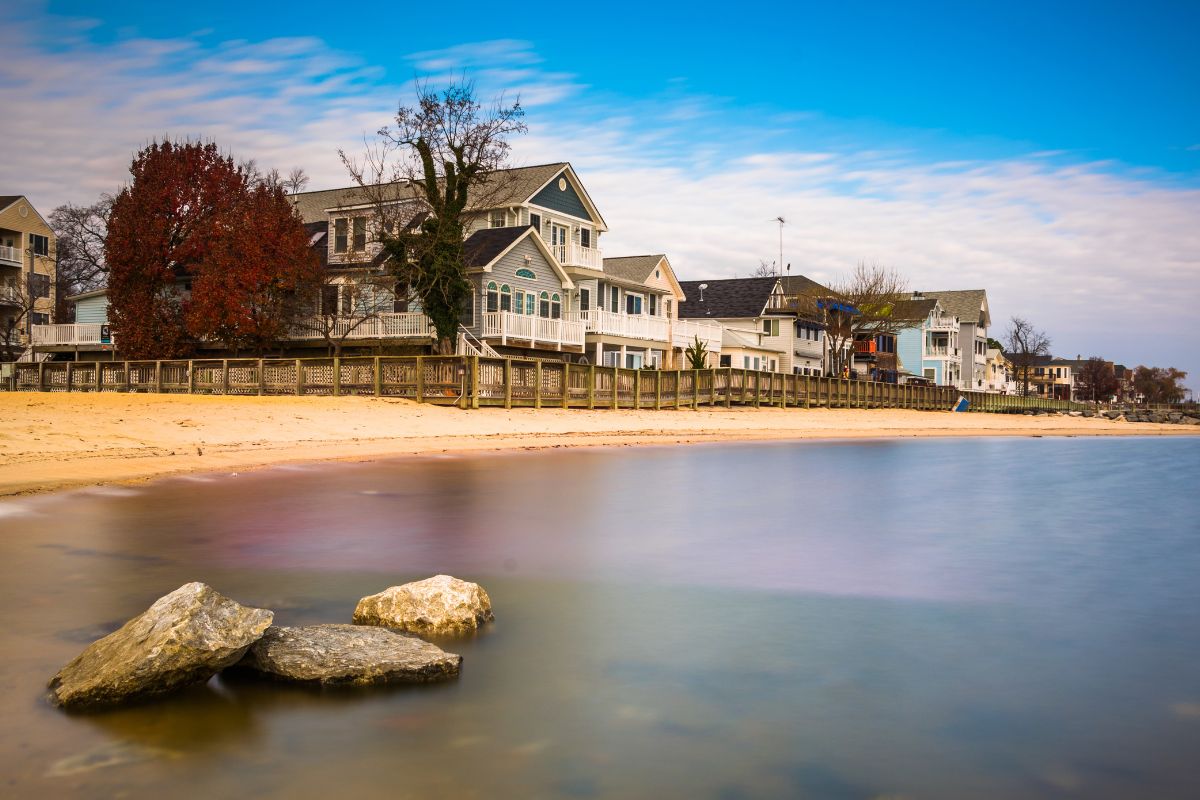
Why Annapolis Is Still One of Maryland’s Most Sought After Waterfront Markets Annapolis has long held a reputation as one of Maryland’s most desirable waterfront destinations. With its historic charm, boating culture, and access to the Chesapeake Bay, this capital city continues to attract buyers seeking lifestyle and long term value. Whether you are relocating, investing, or upgrading to a waterfront estate, the Annapolis market remains a standout along the East Coast. Next Step Realty helps buyers and sellers navigate this competitive market with insight and local expertise. True Waterfront Lifestyle Appeal Few markets in Maryland offer the same combination of navigable water access, historic architecture, and vibrant downtown energy. From private docks to panoramic harbor views, Annapolis properties offer direct access to boating, sailing, and waterfront recreation. The Chesapeake Bay lifestyle is not seasonal here. Residents enjoy waterfront dining, yacht clubs, regattas, and scenic sunset views throughout much of the year. For buyers who value coastal living without leaving Maryland, Annapolis delivers an unmatched experience. Historic Charm Meets Luxury Living Downtown Annapolis blends colonial architecture with modern renovations and luxury finishes. Buyers can find restored historic homes with preserved character alongside newly constructed waterfront estates designed for contemporary living. Private deep water docks Custom outdoor entertaining spaces Chef inspired kitchens with water views Expansive primary suites with private balconies This blend of heritage and high end design creates strong buyer demand across price points. Proximity to Major Employment Hubs Annapolis offers waterfront tranquility while remaining accessible to Washington DC and Baltimore. Professionals who work in nearby metropolitan areas often choose Annapolis for its lifestyle advantages without sacrificing commute options. Buyers also consider nearby communities such as Severna Park and Arnold, which provide additional waterfront opportunities and strong residential appeal. Strong Long Term Value Waterfront property tends to hold long term desirability due to limited supply. Annapolis is no exception. With restricted shoreline inventory and continued buyer interest, waterfront homes often command premium pricing and sustained appreciation. For broader insights into waterfront property trends and coastal market dynamics, the National Oceanic and Atmospheric Administration provides data on shoreline and coastal regions at coast.noaa.gov. Community and Cultural Energy Annapolis is more than water views. The city hosts year round festivals, sailing events, farmers markets, and dining experiences that keep the community vibrant. The United States Naval Academy adds tradition and prestige, reinforcing the city’s identity and stability. What Buyers Should Consider Dock depth and water access for boating needs Flood zone and elevation factors Historic district regulations Seasonal market timing for waterfront inventory Is Annapolis the Right Waterfront Market for You For buyers seeking a balance of elegance, recreation, and long term investment strength, Annapolis continues to stand apart. Limited inventory, historic character, and Chesapeake Bay access create a unique market that consistently attracts attention. Next Step Realty provides local expertise to help you evaluate waterfront opportunities, understand property nuances, and secure the right home in one of Maryland’s most desirable coastal markets.
Read more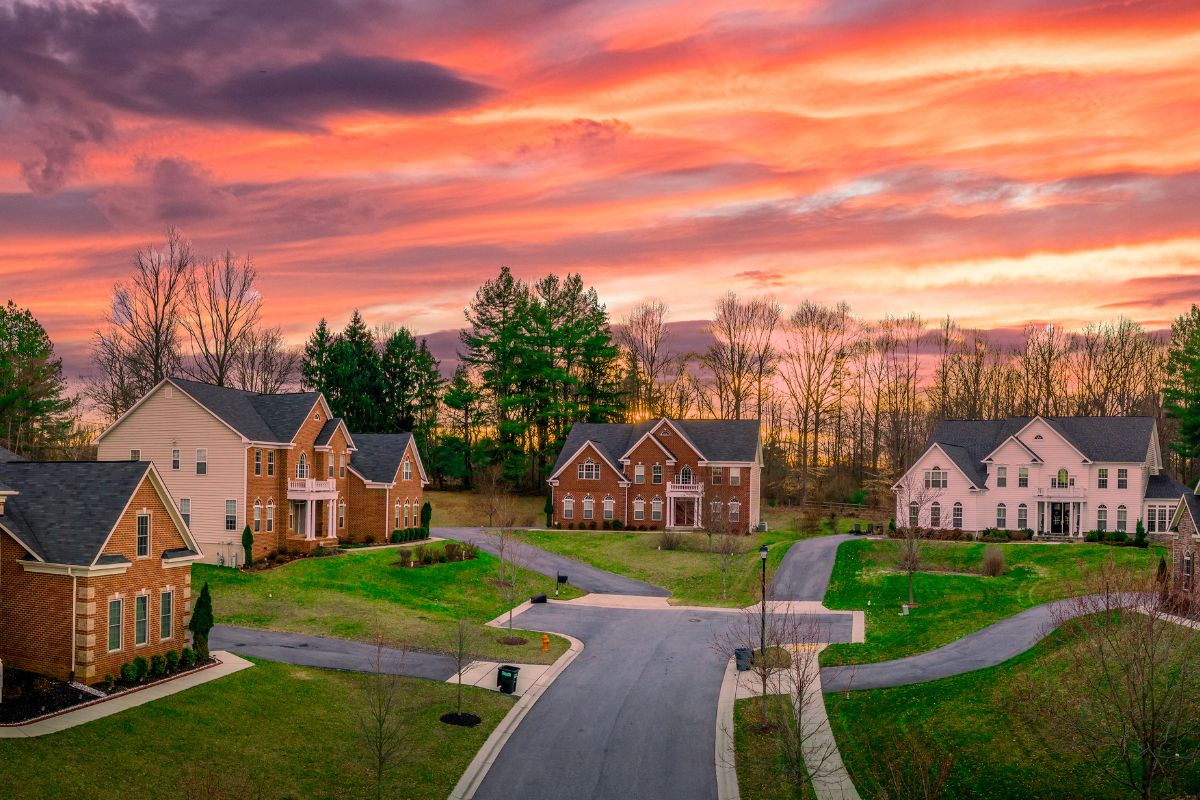
Glen Burnie Real Estate: The Smart Buyer’s Playbook for Value and Access Buying in Glen Burnie can be a sharp move for luxury minded buyers who want strong access to key corridors, solid housing variety, and room for future upside. The win comes from knowing what creates real value here, and avoiding the handful of traps that make a home feel like a bargain until you own it. Use this playbook to evaluate homes with a clear strategy, not just a good first impression. Start with the 60 second reality check Does the location make your daily routine easier, work commute, school plans, and weekend plans Is the home priced for its condition, or priced like a fully updated turnkey option Do you see signs of moisture, drainage issues, or deferred exterior maintenance Would you still want the home if the first year includes one meaningful repair project Prioritize the access advantages that actually matter Commute paths and traffic reality Access is a major value driver, but only if it works in your real life schedule. Test drive your commute at the times you will actually travel, and pay attention to choke points near major routes and shopping corridors. If transit access matters to you, confirm proximity and convenience to the services you will use, not just what looks close on a map. For official transit info and service updates, start with the Maryland Transit Administration at mta.maryland.gov. Neighborhood feel and daily convenience Two homes can be the same price and feel totally different based on micro location. Notice street traffic, sidewalks, lighting, and how the neighborhood feels at different times of day. A quiet block with easy in and out access often holds value better than a home that is technically close to everything but feels stressful to live in. Lot utility, parking, and storage Luxury is often convenience in disguise. Confirm parking reality, driveway usability, guest parking, and whether the home has the kind of storage that makes daily life smooth. A great layout can lose its shine fast if you are constantly fighting clutter, tight access, or awkward parking routines. Prioritize the expensive home fundamentals first Value buyers sometimes get distracted by cosmetic upgrades. In Glen Burnie, the smartest approach is to price the fundamentals first, then treat finishes as the fun part. Pay close attention to roof age, window condition, HVAC performance, and water management around the home. Quick warning signs Fresh paint in lower level areas paired with a musty smell or high humidity feel Pooling water near the foundation after rain or downspouts that dump too close to the home Uneven floors, sticking doors, or recurring drywall patching in the same zones A flashy kitchen update that contrasts sharply with older mechanical systems Get realistic pricing before you commit The best value deals come from clarity, not optimism. Build a budget range that includes the upgrades you want and the repairs you might need. Your goal is not perfect precision, it is a smart range with a buffer so you can move confidently even if something appears after you own the home. Smart ways to tighten your budget range Have your inspector prioritize moisture, roof condition, and system performance Ask a contractor for rough numbers on your top three improvement goals Add a contingency buffer for surprises behind walls or under floors Separate essential repairs from style upgrades so your priorities stay clear Use the right professionals and verify the details that protect value A strong agent helps you price micro locations correctly, and a thorough inspector helps you avoid expensive regret. Ask direct questions about past work, servicing history, and any recurring issues. High value buyers win when they treat the purchase like a lifestyle decision and a numbers decision at the same time. Match your Glen Burnie plan to the right nearby market strategy If you are weighing value versus vibe, it helps to compare what your budget buys in nearby markets that offer different tradeoffs. Some buyers prioritize city energy and dining. Others want a more classic waterfront lifestyle. A quick comparison keeps your decision grounded and often reveals the best fit fast. If you want more city lifestyle options and a wider mix of neighborhoods, compare with Baltimore If you want a more nautical culture and waterfront charm with a different luxury mix, explore Annapolis Final checklist before you write an offer Confirm commute and access benefits with real timing tests, not assumptions Validate exterior condition and water management fundamentals Build a pricing range with a buffer for repairs and upgrades Make sure the neighborhood feel matches your daily life, not just your wish list Glen Burnie can be a smart move when you buy with a clear plan for value and access. If the location supports your routine, the fundamentals are strong, and your numbers include a realistic buffer, you can win comfort now and protect resale later.
Read more
Luxury Rowhome vs Condo in Baltimore Choosing between a luxury rowhome and a condo in Baltimore is really a decision about time, privacy, and long term value. One option gives you character, control, and outdoor potential. The other can deliver ease, amenities, and a lock and leave lifestyle. Use this guide to compare them like a pro so you can buy with confidence and avoid expensive surprises after closing. Start with the 60 second reality check Do you want control over upgrades and outdoor space, or do you want simplicity and shared maintenance Is your weekly routine better served by private entry living or elevator convenience Are you paying for usable lifestyle features, or just a premium address Would you still love the choice if your schedule gets busier over the next few years Prioritize the expensive factors first Maintenance responsibility and hidden time costs Rowhomes often reward you with autonomy, but they also come with more personal responsibility. You are the one managing exterior upkeep, roof timelines, masonry touch ups, and any backyard drainage surprises. Condos can reduce that load, but you trade it for monthly fees and shared decision making. Luxury buyers win when they choose the maintenance model that matches how they actually live. Noise, privacy, and daily feel Both options can be quiet and both can be loud, so you have to test the home, not the concept. In a rowhome, pay attention to party walls and street noise. In a condo, listen for hallway activity, elevator proximity, and sound transfer above and below. Do a second showing at a different time of day if possible, because the vibe can change fast. Parking, storage, and convenience In Baltimore, convenience is a luxury feature. For rowhomes, confirm what the real parking situation is on a normal weeknight, not just on a calm afternoon. For condos, verify garage access, guest parking, and how far you will carry groceries and packages. Storage matters too, especially if you entertain, travel, or keep seasonal gear. Understand what actually drives long term value Rowhomes tend to shine when you can add value through thoughtful upgrades, outdoor living, or a strong neighborhood block. Condos tend to hold best when the building is well run, the amenities are consistently desirable, and the fee structure feels justified for the experience. Either can be a great buy, but the value drivers are different, so your evaluation has to be different too. Quick warning signs A rowhome that looks polished but shows water marks, uneven floors, or recurring patchwork in the same areas A condo building with deferred maintenance vibes, tired common areas, or unclear reserve planning Fees that feel high without clear lifestyle payoff, like parking, security, fitness, or concierge value Layouts that look good online but feel awkward in real life, especially kitchen flow and storage Get realistic total cost pricing before you commit Luxury buying is not only about the purchase price. Rowhomes often carry higher surprise risk if systems or exterior elements are aging. Condos often carry predictable monthly fees, but you need to understand what those fees really cover and how they can change. Build an honest all in range so you do not win the offer and lose the budget. Smart ways to tighten your budget range For rowhomes, price out roof timeline, exterior upkeep, and any drainage or masonry work that could pop up For condos, request clear documents on fees, building upkeep, and what is included day to day Factor in parking costs, storage needs, and lifestyle upgrades you will make within the first year Add a contingency buffer so your plan stays calm even if something unexpected appears Use the right professionals and verify the details that matter A smart team helps you compare apples to apples, not just bedrooms to bedrooms. Inspectors and specialists can help you understand rowhome systems, while condo documents tell the real story behind the amenities. For property tax and billing reference in Baltimore, the City real property portal is a helpful resource at pay.baltimorecity.gov. Match the choice to the right nearby market strategy If you are torn, compare how each lifestyle choice would look in a different market nearby. Some buyers love the city energy but want a different day to day rhythm. Others want a more suburban luxury feel without losing access to great dining and events. A quick comparison can make your decision feel obvious. If you want waterfront charm, walkability, and a polished weekend lifestyle, compare options in Annapolis If you want a more residential feel with strong long term appeal and a different mix of home styles, explore Ellicott City Final checklist before you write an offer Choose the maintenance model that matches your schedule and stress tolerance Test privacy and noise with a real world mindset, not just a first impression Build a total cost range that includes fees, upkeep, and near term upgrades Make sure parking and storage feel effortless, because those details shape daily life A luxury rowhome can be the perfect move if you want control, character, and the ability to customize over time. A luxury condo can be the perfect move if you want convenience, amenities, and a simpler ownership experience. When you shop for the lifestyle, not just the layout, the right answer becomes clear fast.
Read more
Ellicott City Home Shopping: How to Spot True Quality vs Cosmetic Shine Shopping for a home in Ellicott City can feel like a highlight reel, fresh paint, trendy fixtures, and staging that makes every room look like it belongs on a magazine cover. The challenge is that cosmetic updates can hide expensive problems, while truly well maintained homes sometimes look a little less flashy at first glance. Use this guide to spot real quality, ask smarter questions, and buy with confidence instead of being swayed by surface level shine. Start with the 60 second reality check Does the home feel solid and consistent, or does it feel like a fast makeover Are the updates focused on the rooms you see most, while the rest feels untouched Do you notice any smells, humidity, or temperature swings between levels Would you still love the home if you discovered one major repair after closing Prioritize the fundamentals before the finishes Structure, grading, and water control True quality starts outside. Walk the perimeter and notice how the yard slopes, where downspouts send water, and whether the ground looks like it holds moisture. Inside, look for subtle clues like wavy floors, large cracks, doors that stick, or patched drywall that repeats in the same areas. In Maryland, water management is a value driver, not a minor detail. Roof, windows, and mechanical systems A new faucet is fun, but the roof, windows, heating, and cooling are what protect your comfort and long term cost of ownership. Ask the age of the major systems and whether there is documentation for replacement or servicing. When systems are nearing end of life, the home can look perfect and still require a big check soon after move in. Kitchens and baths that are done the right way A beautiful kitchen can be more style than substance. Open drawers and cabinets, check alignment, feel how doors close, and look under the sink for signs of past leaks. In baths, watch for grout cracking, loose tile, and ventilation that seems weak. Quality renovations feel consistent, not rushed. Understand the makeover tactics buyers fall for Some upgrades are designed to photograph well, not perform well. Fresh paint and new lighting can distract from uneven floors, old windows, or moisture issues. High gloss finishes can hide rough drywall work. If a home looks brand new but has vague answers about what was done and by whom, pause and dig deeper. Quick warning signs Strong air freshener scent, heavy candles, or closed windows on a mild day New flooring that stops abruptly at doors or transitions awkwardly Fresh paint only in select areas, especially near lower level walls Upgrades with no receipts, no permits, and no clear contractor information Get realistic improvement pricing before you commit The smartest luxury buyers build an upgrade plan before they fall in love. Your goal is not a perfect estimate, it is a realistic range with a safety buffer. A home with honest wear can be a better buy than a shiny flip if the fundamentals are strong and the upgrade plan is clear. Smart ways to tighten your budget range Ask your inspector to prioritize moisture, structure, and system condition Get a contractor opinion on the three biggest risk items, not a full remodel fantasy Add a contingency buffer for surprises behind walls and under floors Separate must do improvements from style upgrades so your numbers stay grounded Use the right professionals and verify licensing Great outcomes come from great people. Inspectors identify issues, but licensed contractors help you price solutions and set realistic timelines. Before you sign anything, verify contractor licensing through the Maryland Home Improvement Commission search at dllr.state.md.us. Match Ellicott City value to the right nearby market strategy Ellicott City attracts buyers who want a polished lifestyle feel with strong long term appeal, but the right fit depends on what you prioritize. Some buyers want a broader county wide search for more inventory, others want a different mix of architecture, walkability, and city energy. Comparing nearby markets helps you avoid overpaying for the wrong kind of upgrade. If you want a wider search with strong long term demand drivers, explore Howard County If you want more neighborhood variety, dining, and a different style of luxury inventory, compare options in Baltimore Final checklist before you write an offer Confirm the big systems and water management story with documentation when possible Look for consistency, craftsmanship, and signs of careful maintenance Build an upgrade range with a buffer, then decide what the home is worth to you Verify contractor licensing and prioritize inspection findings over staging Ellicott City has some incredible homes, and many of them are worth a premium when the quality is real. When you learn to spot true craftsmanship and ask the right questions, you can buy a home that feels beautiful now and stays valuable later.
Read more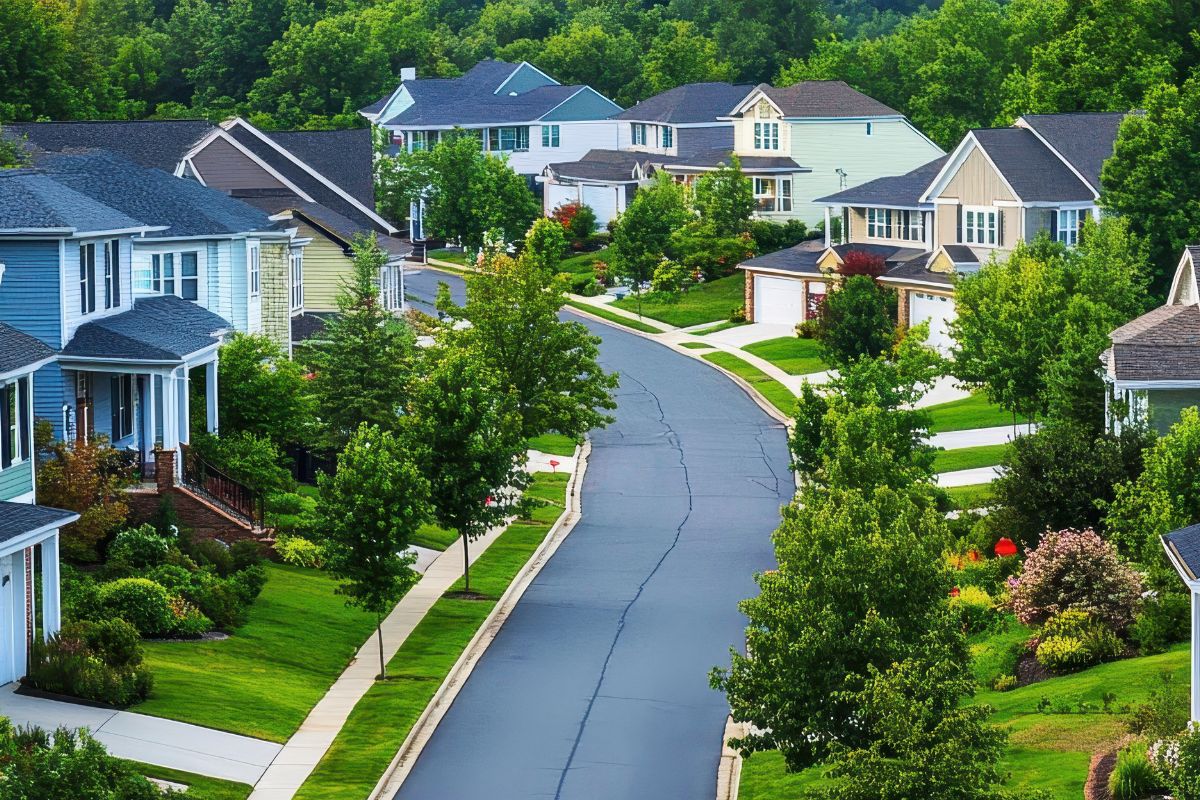
Bowie for Upsizing: How to Buy Space Without Overpaying Upsizing in Bowie can be a power move for luxury buyers who want more room to live, host, and breathe. The trap is paying for square footage that does not actually improve your daily life, or overbidding for features that look impressive but do not hold value the way you think. Use this guide to evaluate space like an investor and shop like someone who plans to win both comfort and resale. Start with the 60 second reality check Is the home truly larger in the ways you will feel every day, or is the space just spread out Does the price reflect the layout quality, lot value, and upgrades, not just the bedroom count Will your furniture fit the way you live, including entertaining, work from home, and storage Would you still love it if you had to invest in outdoor living, mechanical updates, or better finishes Prioritize the space multipliers first Layout that lives bigger than the numbers A great floor plan makes a home feel luxurious even before you touch a single finish. Look for wide circulation paths, a kitchen that connects to gathering space, and rooms that do not require awkward furniture compromises. Pay attention to sight lines, natural light, and whether the home has flexible zones that can evolve with your lifestyle. Lot, privacy, and outdoor function In many Bowie neighborhoods, the lot is the real luxury lever. A larger yard with usable shape, privacy, and easy access from the main living areas can add daily joy and long term value. Check how the yard drains after rain, where the sun hits at different times of day, and whether outdoor upgrades would be straightforward or a full construction project. Systems that scale with a bigger home More house means more responsibility, so make sure the fundamentals match the size. Evaluate the age and capacity of heating and cooling, the condition of windows, and overall energy efficiency. A beautiful oversized home can feel less luxurious if comfort is uneven from room to room or if operating costs stay stubbornly high. Understand what actually drives value in an upsizing purchase Luxury value is not only about finishes, it is about how confidently the home competes against other options in the same price tier. Prioritize features that buyers consistently reward, strong layout, functional outdoor living, and smart updates in the kitchen and primary suite. Be cautious with ultra specific design choices that are expensive but polarizing, especially when your goal is to protect resale. Quick warning signs A home that is big on paper but has too many tiny rooms and too few usable gathering spaces Recent cosmetic updates that distract from older mechanicals and deferred maintenance Outdoor areas that look staged but feel impractical due to slope, drainage, or lack of privacy Finishes that are flashy but inconsistent, suggesting fast upgrades rather than thoughtful investment Get realistic pricing before you commit Buying more space without overpaying is a numbers game with a strategy layer. Your goal is to separate real value from emotional value. Compare homes by layout quality and lot utility, not just total square footage. Then factor in what it would cost to bring the home up to your standard, especially kitchens, baths, flooring, lighting, and outdoor living. Smart ways to tighten your budget range Ask for recent comparable sales that match layout and lot appeal, not just bedroom count Identify the top three upgrades you would do immediately and price them with contractor input Use a contingency buffer for the surprises that show up after move in, especially systems and outdoor items Check public property records and prior sale history so the pricing story makes sense Use the right professionals and verify the data that matters An upsizing move is where expertise pays for itself. A great agent helps you price value correctly, and a strong inspector helps you avoid expensive regret. For public record checks, the Maryland Department of Assessments and Taxation Real Property Search is a solid starting point for property data at sdat.dat.maryland.gov. Match your upsizing plan to the right nearby market strategy Bowie can offer strong space value, but your best move depends on how you define luxury. Some buyers prioritize a classic coastal lifestyle, others want a different mix of prestige, lot size, and architecture. A smart comparison can sharpen your decision and keep you from overpaying in the wrong category. If you want a more waterfront oriented lifestyle with historic charm and sailing culture, compare what the same budget buys in Annapolis If you want a different blend of estate style homes, wooded settings, and prestige feel, explore options in Ellicott City Final checklist before you write an offer Confirm the layout supports your daily routines, not just the listing description Validate lot utility, privacy, and outdoor potential with a realistic eye Price upgrades and system risk before you decide what the home is worth to you Use comps and public record checks to make sure you are paying for value, not hype Upsizing in Bowie can feel like an instant lifestyle upgrade when you buy the right kind of space and keep the numbers disciplined. Focus on layout, lot value, and system quality first, then let design be the fun part. When the fundamentals are strong, you get the luxury of room to grow without the regret of overpaying.
Read more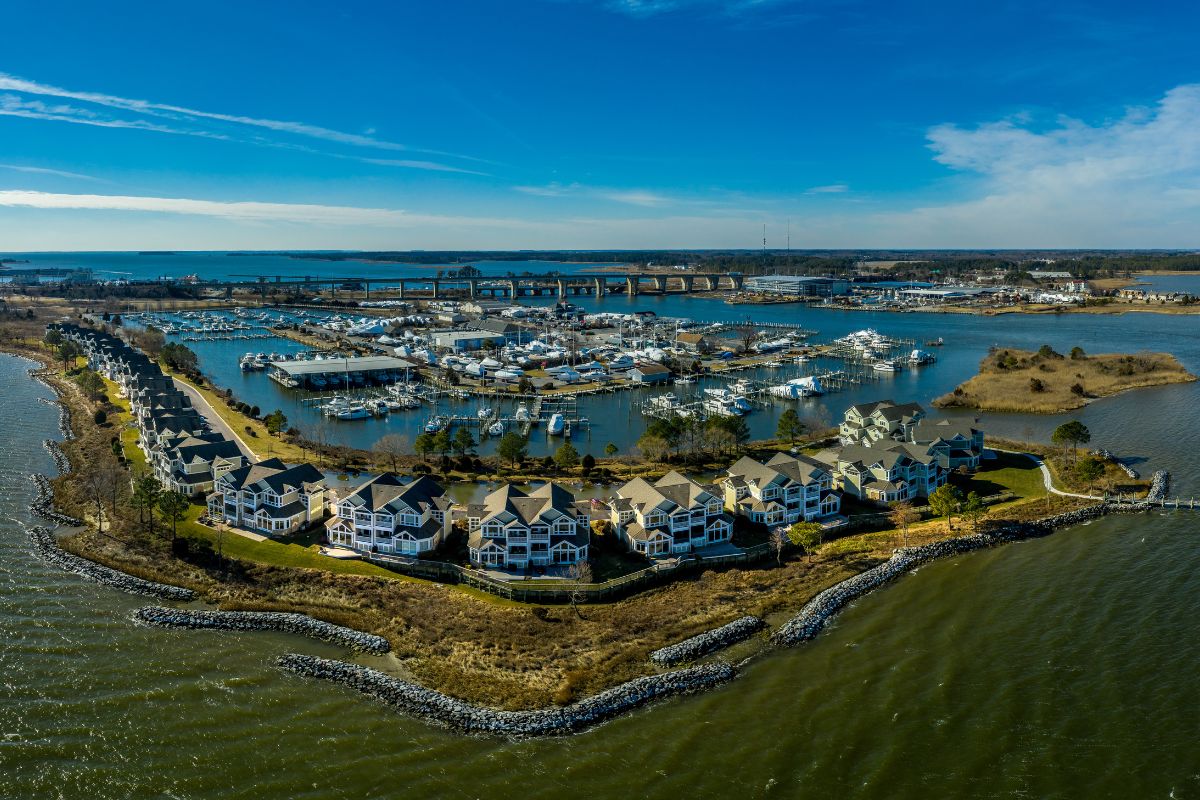
Kent Island as a Luxury Escape with Commuter Convenience There is a reason Kent Island keeps showing up on the radar for buyers who want a calmer, coastal feeling without giving up access to the city. You get Chesapeake lifestyle perks like marinas, water views, and a slower rhythm, but you can still make the commute work if you plan smart. This guide covers what actually matters when you are buying on the island so your weekends feel like a getaway and your weekdays stay manageable. Start with the 60 second reality check Does the home feel like a true retreat, or does it just have a water themed vibe Is your commute plan realistic on both weekdays and peak summer weekends Do you have water access you can actually use, or only a distant view line Would you still love the home if you needed to budget for shoreline or outdoor upgrades Prioritize the lifestyle drivers before you price the finishes Bridge routines and commute reality Kent Island convenience is real, but it is not identical every day. Bridge traffic patterns can reshape your schedule, especially on Fridays and summer weekends. Before you commit, map your daily route, test drive the timing at your typical work hours, and build a routine that includes flexibility. For real time planning and updates, the Maryland Transportation Authority Bay Bridge site is the most reliable starting point at baybridge.maryland.gov. Marina access, storage, and how you actually live A slip is exciting, but convenience is the luxury. Ask where you will store paddleboards, fishing gear, and beach chairs. Look at parking, dock distance, and whether you can load and unload without turning every outing into a production. If you are using a marina, confirm daily access, guest policies, and the ease of getting on the water on a normal weekday, not just a perfect Sunday. Outdoor durability and low maintenance comfort Coastal air asks more from exterior materials. Prioritize the bones of the outdoor setup, decking condition, railings, drainage flow, and how the yard handles heavy rain. A beautiful outdoor living space is only worth it if it stays usable without constant repairs. The best luxury purchases on the island tend to feel effortless because they were designed for the environment. Understand water proximity without overpaying for a label Not every premium priced home offers premium day to day value. Some properties are truly water oriented with access, views, and a layout that frames the setting. Others are priced for the idea of water, while the practical experience falls short. The goal is to understand exactly what you are buying, then decide if that lifestyle matches how you want to spend your time. Quick warning signs A water view that disappears once trees leaf out in warmer months Outdoor spaces that look staged but lack shade, privacy, or usable flow Access that feels inconvenient, steep, or awkward for regular use Landscaping that traps water near the home after storms Get realistic ownership costs before you commit The win on Kent Island is when the numbers support the lifestyle. Luxury buyers often focus on the interior renovation wishlist, but the island experience lives outdoors. Budget for what protects comfort and value, exterior maintenance, outdoor hardscapes, and any upgrades that make water access easier and safer. You do not need a perfect estimate, you need an honest range with a buffer. Smart ways to tighten your budget range Ask your inspector to focus on exterior condition, drainage, and moisture control Get a contractor opinion on outdoor upgrades that affect long term durability Set aside a contingency for the surprises that show up after the first heavy rain Separate essential protection work from optional design upgrades Use the right professionals and verify local experience Kent Island is its own market with its own rhythms. A strong local team helps you compare neighborhoods, evaluate water oriented features, and keep your commute plan grounded. Inspectors find issues, but experience helps you prioritize what matters most for daily life on the island and long term resale value. Match the island lifestyle to the right nearby market strategy Some buyers want the full retreat feel, others want a similar lifestyle with different tradeoffs. If you love the water but want more dining, culture, or a different housing mix, it can help to compare alternatives before you decide. The best luxury move is the one that fits your routine and your long term plan, not just the view on closing day. If you want historic charm, sailing culture, and a classic waterfront city feel, compare options in Annapolis If you want vibrant neighborhoods, dining, and a broader mix of luxury inventory, explore Baltimore Final checklist before you write an offer Confirm your commute routine with real timing tests, not guesses Validate water access, marina convenience, and outdoor usability Price the exterior durability items before you fall in love with finishes Build a budget range with a buffer that protects your lifestyle goal Kent Island can be the rare luxury move that improves your quality of life without forcing you to choose between beauty and practicality. When the commute plan is honest and the outdoor setup is built for the environment, you get the best version of both worlds, a true escape that still works on a Tuesday.
Read more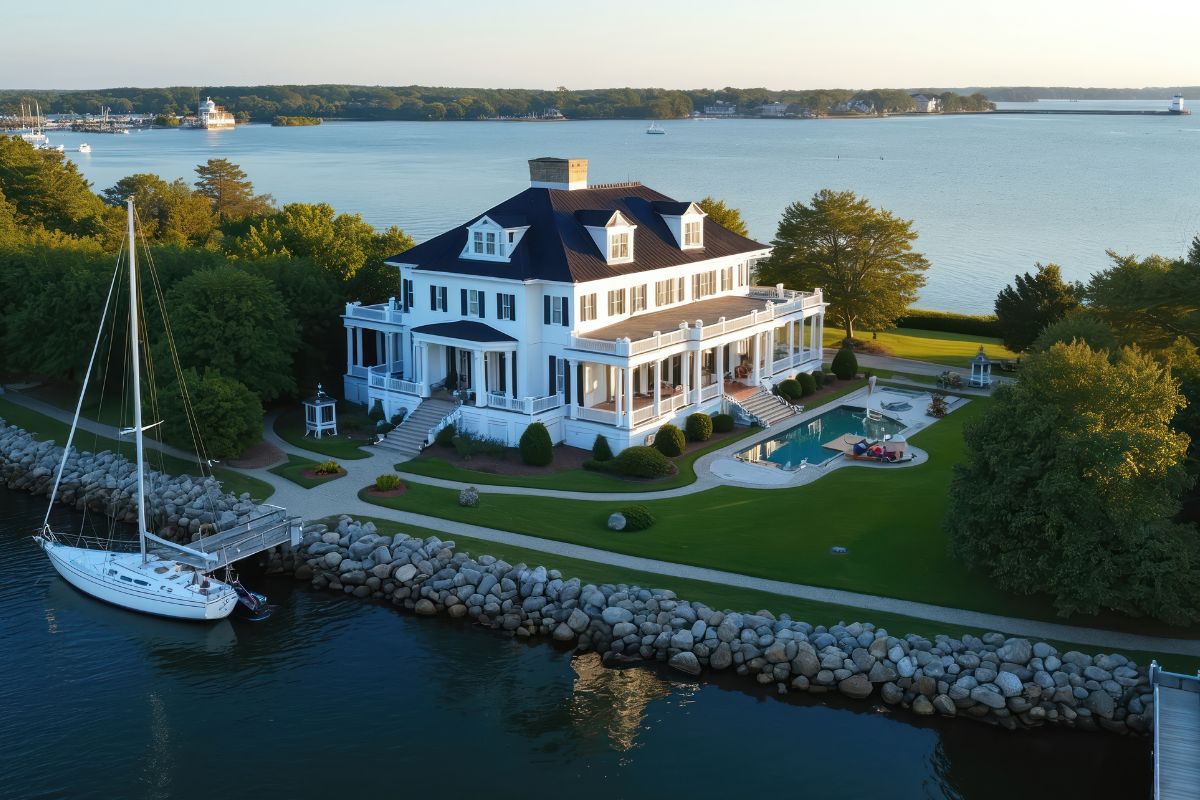
Annapolis Waterfront Living: What Buyers Miss on the First Tour Waterfront homes in Annapolis can feel instantly magnetic, the light, the view, the breezes, the boat ready lifestyle. What many luxury buyers miss is that the real value is often decided by what you cannot see on a quick walk through. Use this guide to look past the sparkle, understand tide behavior and flood exposure, and evaluate marina access and long term resale like a pro. Start with the 60 second reality check Does the view match the daily reality, including low tide, winter months, and busy boating weekends Is the shoreline stable, and does the yard show signs of erosion or shifting grade Do you have true water access, or just a water view with limited usable shoreline Would you still love it if you needed to upgrade bulkhead, drainage, or outdoor hardscapes Prioritize the expensive waterfront systems first Shoreline, bulkhead, and drainage In Annapolis, the shoreline is not just scenery, it is a structure. Bulkheads, riprap, and drainage paths can make or break your long term maintenance budget. Look for leaning sections, separated caps, soft spots near the edge, and standing water after rain. A beautiful patio is great, but water should be moving away from the home and away from the shoreline, not pooling where it can undermine both. Foundation, crawl space, and moisture control Waterfront air is heavier, and moisture behaves differently. Ask about vapor barriers, dehumidification, sump performance, and any history of water intrusion. On your tour, notice musty odors, stained joists, rust on mechanicals, and any fresh paint in lower areas that feels like a cover story instead of a finish choice. Dock details, utilities, and marina access A dock is a lifestyle feature, but it is also a system. Confirm water depth at typical low tide, electrical service, water lines, and the condition of pilings and decking. If you plan to keep a boat at a marina instead, check how easy it is to get there, where you will park, how far you will carry gear, and whether the access feels effortless on a regular weekday, not just on a perfect Saturday. Understand tide behavior and flood exposure before you fall in love Many buyers look at a high tide moment and assume that is the normal experience. In reality, tide swings can change your shoreline access, your views from the deck, and even how you use a pier. A smart move is to review official tide predictions for nearby stations and compare them to how you plan to use the water. You can reference NOAA tide tools at tidesandcurrents.noaa.gov. Quick warning signs Recently replaced lower level finishes without a clear reason and documentation Outdoor stairs, patios, or retaining walls that show shifting or uneven settlement Ventilation that feels undersized for the home size, especially near lower levels Landscape grading that sends water toward the home during storms Get realistic waterfront repair pricing before you commit Waterfront numbers rarely fail because of kitchen choices. They fail because buyers underestimate the cost of shoreline work, outdoor structures, and moisture management. Your goal is not a perfect estimate, it is an honest range with a buffer that protects your timeline and your peace of mind. Smart ways to tighten your budget range Ask your inspector to focus on shoreline, drainage paths, and moisture entry points Get a targeted quote for bulkhead or shoreline stabilization if anything looks questionable Budget for outdoor durability upgrades like better railings, decking, and drainage improvements Separate the waterfront safety items from the luxury finishes so your priorities stay clear Use the right professionals and verify the right experience Waterfront homes deserve specialists, not just generalists. A strong team can help you evaluate shoreline stability, moisture management, dock condition, and the practical realities of access and maintenance. Prioritize pros who have real waterfront experience in Anne Arundel County, because that local context often matters as much as the home itself. Match the waterfront lifestyle to the right area strategy Annapolis offers a unique mix of historic charm, sailing culture, and high demand neighborhoods, but it is not the only way to live the water oriented lifestyle. Some buyers want a marina centered routine, others want a quieter shoreline feel, and some want waterfront proximity with broader inventory and value options. If you want a Chesapeake lifestyle with more space and community amenities, explore Kent Island If you want water views, access to the harbor scene, and a wider mix of home styles, consider options in Baltimore Final checklist before you write an offer Confirm shoreline condition, drainage paths, and moisture control fundamentals Validate dock, pier, or marina access based on how you actually live day to day Review tide behavior so shoreline access and views match your expectations Build a repair range with a buffer that protects you from expensive surprises Annapolis waterfront living can be an incredible upgrade when you evaluate it with the same precision you would use for any high value asset. If the shoreline fundamentals are strong, access fits your routine, and your budget includes a smart buffer, you can move forward with confidence and enjoy the lifestyle without the hidden stress.
Read more
Your roof is more than just a protective covering—it plays a crucial role in your home's energy efficiency, comfort, and overall value. Homeowners often overlook the impact their roofing system has on utility bills, environmental sustainability, and property resale value. If you're considering a roof replacement or upgrading to energy-efficient materials, this guide will break down the key benefits, explore the best roofing options, and help you make an informed investment for your home. Why Invest in an Energy-Efficient Roof? An energy-efficient roof is designed to minimize heat absorption and regulate indoor temperatures, helping homeowners save money on energy bills while reducing their carbon footprint. Here’s how: 1. Lower Energy Costs A well-designed energy-efficient roof reflects more sunlight and absorbs less heat, reducing the burden on your HVAC system. In the summer, this means cooler indoor temperatures, and in the winter, better insulation to retain heat, both leading to significant savings on heating and cooling costs. According to the Department of Energy, cool roofs can reduce peak cooling demand by 10–15%, directly translating to lower monthly utility bills. 2. Increased Property Value & Marketability As homebuyers become more conscious of sustainability and long-term cost savings, energy-efficient homes are highly sought after in the real estate market. Installing a modern, eco-friendly roof enhances curb appeal and can increase resale value—a major advantage for those considering selling their home. 3. Extended Roof Lifespan Traditional roofing materials absorb excessive heat, causing thermal expansion and contraction that leads to premature wear and tear. Energy-efficient roofing materials reduce temperature fluctuations, minimizing damage and extending the life of your roof. Materials like metal roofing, cool shingles, and tile roofs last decades longer than standard asphalt shingles. This means fewer replacements and lower long-term costs for homeowners. 4. Eco-Friendly Impact A high-performance roof reduces energy consumption, lowering carbon emissions from power plants. Some materials, such as green roofing systems or solar-reflective shingles, actively contribute to sustainability efforts by improving air quality and reducing urban heat island effects. For homeowners interested in eco-conscious upgrades, check out Energy Star for a list of certified energy-efficient roofing materials. Best Energy-Efficient Roofing Materials for Your Home Choosing the right material for your roof can drastically improve energy efficiency. Here are some of the most effective options: 1. Metal Roofing Metal roofs are highly reflective and long-lasting, making them one of the best options for energy efficiency. They can reflect solar heat away from your home, reducing cooling costs by up to 40% in hot climates. Durability: 40-70 years Eco-Friendly: Made from recycled materials and fully recyclable Maintenance: Low maintenance compared to asphalt shingles 2. Cool Roof Coatings & Reflective Shingles Cool roofing materials are engineered to reflect more sunlight and absorb less heat. Reflective shingles, which meet Energy Star criteria, offer affordable solutions for improved insulation and reduced energy waste. Ideal for Warmer Climates Energy Savings of 10-15% Available in Asphalt, Metal, and Tile Options 3. Tile Roofing (Clay, Concrete, Slate) Tile roofing provides natural insulation due to its thermal mass properties. It keeps homes cooler in the summer and warmer in winter, significantly reducing the need for heating and cooling. Extremely Durable: Can last 50-100 years Great for Hot Climates Natural Ventilation Properties 4. Green Roof Systems A green roof is covered with vegetation and soil, providing natural insulation and reducing heat absorption. These roofs improve air quality, stormwater management, and biodiversity, making them an eco-friendly and energy-efficient option. Best for Urban Homes Lowers Energy Costs by up to 25% Requires Professional Installation The Role of Proper Installation in Energy Efficiency Even the best materials won’t perform efficiently if installation is poor. Incorrect roof installation can lead to: Air leaks that force HVAC systems to work harder Moisture buildup that reduces insulation effectiveness Structural damage, increasing repair and maintenance costs Professional installation from trusted roofing experts like Thompson Creek ensures proper ventilation, insulation, and waterproofing, maximizing the energy-saving benefits of your investment. How to Upgrade to an Energy-Efficient Roof 1. Schedule an Energy Audit Before making changes, schedule an energy audit to assess heat loss, insulation gaps, and ventilation efficiency. You can find local auditors through Energy.gov. 2. Choose Certified Energy-Efficient Materials Look for Energy Star-certified roofing options that meet reflectivity and insulation standards for maximum savings. 3. Hire a Trusted Roofing Contractor Work with licensed and experienced professionals like Thompson Creek to ensure proper installation and long-term efficiency. 4. Explore Local Tax Credits & Incentives Some states offer tax rebates and incentives for homeowners upgrading to energy-efficient roofing. Check out Energy.gov for programs available in your area. Frequently Asked Questions (FAQ) 1. How much can I save with an energy-efficient roof? Savings depend on materials and climate, but most homeowners reduce heating and cooling costs by 10-20% after upgrading. 2. What is the best roofing material for hot climates? Metal roofs, reflective asphalt shingles, and tile roofs perform best in hot climates by deflecting heat and reducing cooling costs. 3. Can a new roof increase my home’s resale value? Yes! Energy-efficient roofing enhances curb appeal and property value, making your home more attractive to buyers. 4. Does my climate affect what roofing material I should choose? Absolutely. Warmer climates benefit from reflective materials, while colder climates need insulation-enhancing materials to retain heat. 5. How do I know if my roof needs an upgrade? Signs include high energy bills, frequent leaks, poor insulation, and an aging roof (20+ years old). Final Thoughts: Invest in Long-Term Energy Savings Your roof is one of the most critical elements in your home’s energy performance. By upgrading to energy-efficient materials, ensuring proper installation, and exploring available tax incentives, you can enjoy lower utility bills, a more comfortable home, and increased property value. For expert guidance, check out Next Step Realty for real estate insights and Thompson Creek for top-tier roofing solutions in the Mid-Atlantic region. This blog content is provided by Thompson Creek Window Company and is hosted on this website as part of a paid partnership.
Read more